How to document and explain your IBS for the best medical care.
The Ricochet Repercussion: When We Talk About Fat Bodies
September 12, 2022

I’ve been thinking about the Ricochet Repercussion when I hear people talking about fat bodies. Admittedly, I live and work (most of the time) in a bubble where the word fat is a neutral descriptor of a body type like tall or muscular. But when I step outside of my professional, weight-inclusive bubble, I find myself wielding a shield; ducking and defending myself and others from a fatphobic world. As a person at the top of straight sizes, I don’t experience nearly the magnitude of weight stigma as those in larger bodies do. Yet, as an empath and a person who grew up with the learned belief that something was wrong with my body, I feel weight stigma deep within me.
But this is not about me. This is about all of the fat people who experience weight bias in restaurants, while traveling, at the gym, and essentially anywhere they go about living their daily lives.
I want to speak to the folks who know, work with, and/or are related to a fat person about something I call the Ricochet Repercussion.
The Ricochet Repercussion happens like this: A comment is made about fat bodies, a particular fat body, or your own body (whether or not it’s actually fat) in front of people with fat bodies. Even though the comment wasn’t aimed at or meant for that person, it hits them…Hard.
Some of these instances might look like this:
- Commenting on a politician’s or celebrity’s body
- Assuming poor health based on body size
- Assuming poor health based on what food is being eaten
- Commenting on someone’s weight loss and staying silent when that weight comes back
- Talking about how “bad” carbs* are while someone is eating carbs* (insert any food or macronutrient here)
- Making fun of a stranger’s belly/butt/other fat body parts out loud
- Disparaging your body in front of someone who is bigger than you or someone with body image issues (which may or may not be unknown to you)
Weight stigma is at the center of the Ricochet Repercussion. This is when negative beliefs and stereotypes are held based on a person’s weight, size, or shape. Weight stigma stems from weight bias, which is the negative weight-related attitudes and beliefs about body size that creates prejudiced thoughts and actions against the people in those bodies. And weight bias, well, that stems from many places: Society, your family of origin, the media, and medical research that blames body size for disease (If you want to learn more about this, you can read this old post), to name a few.
My ask is this: Stop. It’s not funny. It causes harm. It’s also just plain mean.
Body weight is largely determined by our genetic blueprints. Body size is also influenced by other determinants of health like access to healthcare, socioeconomic status, and race, for example. If every person ate the same food and exercised the same way, our bodies would still be different; bodies have always and will always come in many shapes and sizes. Weight is not synonymous with health, and weight loss is not a health behavior. Behaviors that might influence health include exercise, smoking cessation, adequate sleep, and stress management, to name a few. Weight stigma has never been beneficial to health, and in fact, is a health risk.
Risks of weight stigma include increased chronic stress which is linked to increased heart disease and diabetes, increased inflammation, increased anxiety, mood disorders, Binge Eating Disorder, and cardiac dysregulation. Weight bias also promotes negative body image and low self-esteem
In research that looked at the data of over one million people, those in the ”overweight**” category and ”obese** class 1” category (categories of Body Mass Index/BMI) had lower all-cause mortality (aka death) rates than those in the “normal” and “overweight**” categories. What they also found was that across all BMI categories, sedentary behavior was linked with mortality – this is the absence of a health behavior that influenced health.
Fat people are everywhere. They make up over 2/3 of the population and they can hear you. Your friends and family members may be among them – your children too. Children as young as six have expressed fearing fatness. Not because they are afraid of heart disease, diabetes, or cancer – which incidentally impact people in every sized body – but because they want to avoid weight stigma. Unfortunately, the cultural idealization of thinness is the top environmental factor in the development of eating disorders in children.
So please watch your words; they can have Ricochet Repercussions and can cause (unintended, I hope) harm. I’ve added a few bits of research below for further reading if you want to dive deeper into this subject. My hope is that when you know better, you do better.
** “overweight” and “obese” are stigmatizing terms because they confound body size with health. These terms are only used to present data from studies and not words I use.
Bacon L, Aphramor L: Weight science: evaluating the evidence for a paradigm shift. Nutr J 2011;10:69.
Golden, Neville H., et al. “Preventing Obesity and Eating Disorders in Adolescents.” Pediatrics, vol. 138, no. 3, 2016, https://doi.org/10.1542/peds.2016-1649.
Hunger JM, Smith JP, and Tomiyama AJ: An Evidence-Based Rationale for Adopting Weight-Inclusive Health Policy. Soc Issues Policy Rev 2020;14:73-107.
Klump, K. L. (2015). Research Review: What we have learned about the causes of eating disorders – a synthesis of sociocultural, psychological, and biological research. J Child Psychol Psychiatry, 56(11), 1141-1164.
Smolak, Linda. “Risk Factors in the Development of Body Image, Eating Problems, and Obesity.” Body Image, Eating Disorders, and Obesity in Youth: Assessment, Prevention, and Treatment. (2nd Ed)., pp. 135–155.
Tomiyama AJ, Carr D, Granberg EM, et al: How and why weight stigma drives the obesity ‘epidemic’ and harms health. BMC Med. 2018;16:123.
Udo T, Purcell K, Grilo CM. Perceived weight discrimination and chronic medical conditions in adults with overweight and obesity. Int J Clin Pract. 2016;70:1003-1011.
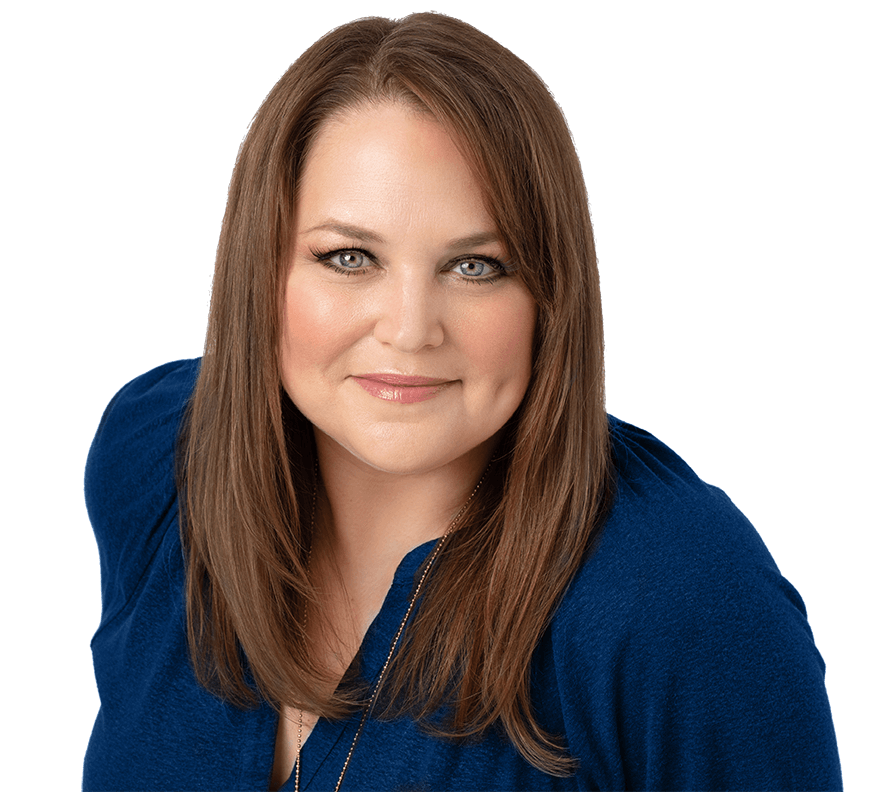
Beth Rosen
Eating Attitudes™ & Gut Expert
Beth Rosen, MS, RD, CDN is a Registered Dietitian and owner of Beth Rosen Nutrition. She practices a non-diet philosophy and is a Health at Every Size" practitioner. Her goal is to end the pain of diet culture, one person at a time. Beth's techniques and programs empower chronic dieters, and those who consider themselves emotional and /or stress eaters, to ditch the vicious cycle of dieting, eat fearlessly by removing Food and diet rules, and mend their relationship with food and their bodies. Beth's works face-to-face with clients in Southbury, CT, and virtually with clients, worldwide.